Material Science
Choosing the Right Material for Your Project
Reading time: 5 min.
Selecting the appropriate material is the most critical decision before starting any laser project. Whether you are designing functional components, high-end promotional items, or personalized gifts, every substrate reacts differently to the laser beam. In this guide, we explain the properties of the most common materials we process in our Graz workshop to ensure your final result is precise, durable, and aesthetically pleasing.
Wood and Plywood: Natural Aesthetics
Wood remains one of the most versatile and popular materials for laser cutting. In our Graz facility, we primarily work with high-quality plywood and MDF. Plywood is valued for its structural stability, though the edges take on a characteristic dark, charred tone after cutting. This is a natural result of the evaporation process and provides objects with a distinct organic depth.
When choosing wood, density is key. Softwoods allow for rapid cutting, while hardwoods require higher intensity but often yield a more refined and detailed engraving. For intricate work, we recommend plywood up to 4mm, as this thickness offers the optimal balance between cutting speed and precision of detail.
Acrylic Glass (PMMA): Clarity and Precision
Acrylic is the premier choice when transparency or vibrant colors are required. Unlike wood, acrylic is not burned but melted by the laser. This results in a smooth, often polished edge that typically requires no further post-processing.
We process acrylic glass in various thicknesses up to 5mm. It is ideal for office signs, retail displays, or architectural models. A critical technical note: we exclusively process PMMA. Materials containing chlorine, such as PVC, are strictly prohibited in our workshop, as they release toxic gases during laser processing that endanger health and damage the machinery.
Metals and Coatings: Permanent Markings
While wood and acrylic can be cut, the focus for metals is permanent engraving. This is where our fiber laser system comes into play, capable of marking the surfaces of stainless steel, aluminum, or coated metals with extreme precision.
The visual effect varies by metal: anodized aluminum often produces a high-contrast white effect, while stainless steel receives a dark, professional mark. These methods are exceptionally abrasion-resistant, making them the correct choice for industrial labels or high-end personalizations designed to last for years.
Leather: Tradition Meets Technology
Leather offers a tactile quality that is difficult to replicate digitally. Laser engraving on leather works through controlled surface combustion, creating a deep relief effect. This is particularly effective for wallets, cases, or custom fashion accessories.
It should be noted that genuine leather produces a strong characteristic odor during the cutting process. We utilize high-efficiency extraction systems in our workshop to maintain material quality. For engraving, we recommend lighter leather tones, as the contrast with the dark laser mark is most visible.
Decision Aid: Material Checklist
To help you make the right choice, use the following table as a guide for your project requirements:
| Objective | Recommended Material | Key Characteristic |
|---|---|---|
| Transparency / Color | Acrylic Glass | Smooth edges, weather-resistant |
| Natural Look | Plywood | Dark cut edges, warm design |
| High Wear Resistance | Stainless Steel / Alu | Engraving only, extremely durable |
| Haptics / Fashion | Genuine Leather | Unique relief engraving |
Local Specifics and Availability in Graz
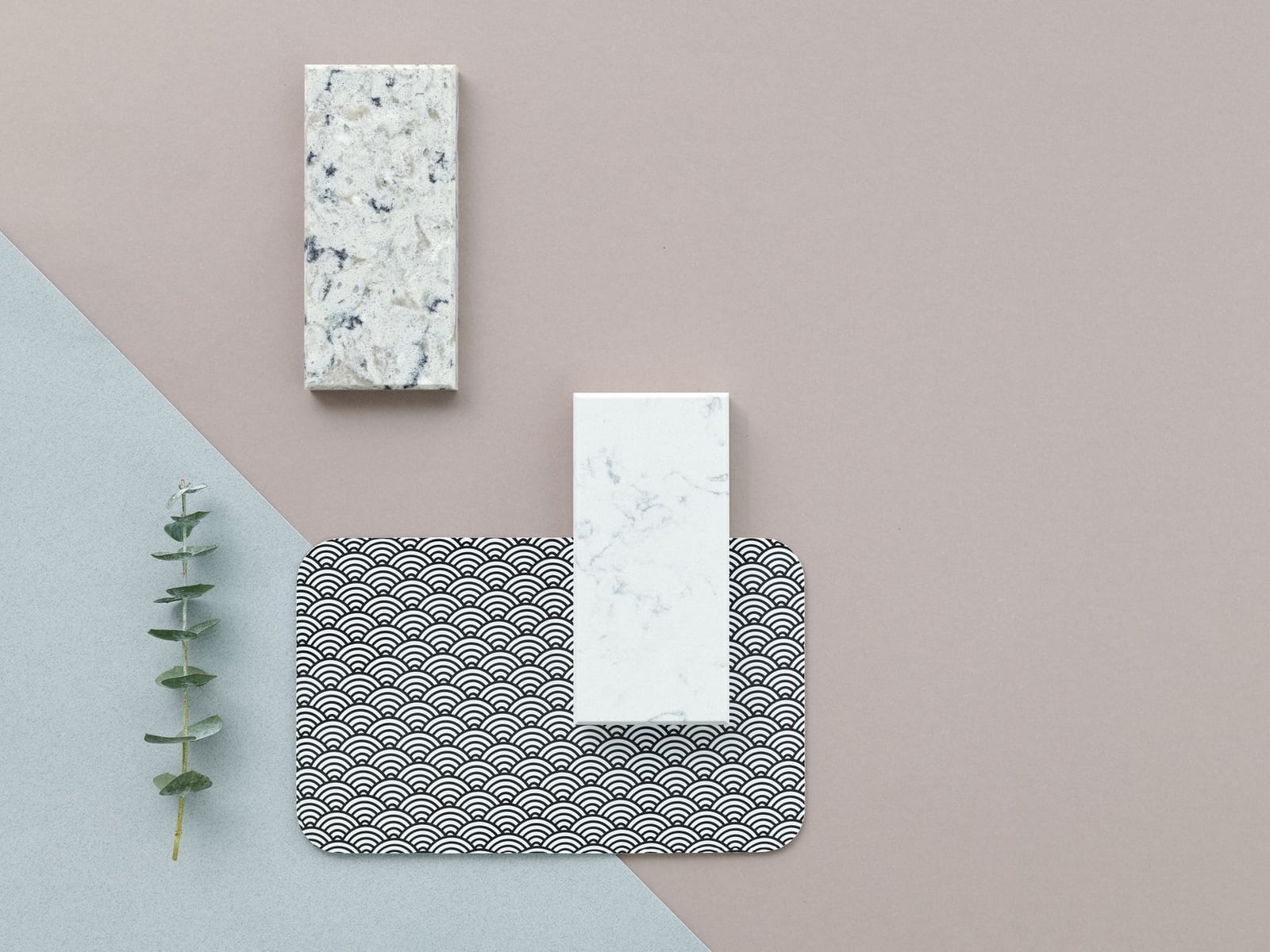
In the Styria region, many of our clients prioritize sustainable materials. We support this approach by selecting materials that are regionally available or meet certified environmental standards. For projects based in Graz, we offer personal consultations at our workshop at Jakominiplatz, allowing you to experience material samples physically before production begins.
Austrian climatic conditions—specifically the shift between high humidity and dry indoor heating during winter—can affect wood. We store our materials in a controlled environment to prevent warping or cracking after the laser cutting process.
From Material to Finished Product
Once you have selected a material, the next step is technical implementation. A material may look correct visually but require a different technical approach. For example, line thicknesses for acrylic cutting must be calculated differently than for wood to ensure the structural integrity of the object.
We recommend reading our guide on file preparation for laser alongside your material choice. Only a correctly prepared vector file ensures that the properties of the chosen material are fully utilized.
Do you need professional assistance in selecting the right material for a specific project? We are happy to help you find the technical and visual solution that fits your requirements.
View Cutting Services Request a Quote